
The Life in the UK Test Is Changing — And It’s Not Just Cosmetic
The UK government is planning to replace the current Life in the UK test with a new version that focuses less on history trivia and more on so-called “British values.” If you’re applying for citizenship or Indefinite Leave to Remain (ILR), this will directly affect how your integration is assessed — and possibly, how your case is judged.
This isn’t just a matter of tweaking questions. It’s a shift in what the Home Office sees as the core of British identity — and what it expects migrants to demonstrate before being accepted into it.

What Exactly Is Being Changed?
At the moment, anyone applying for ILR or naturalisation has to pass the Life in the UK test — a multiple-choice exam based on a government handbook. It covers historical dates, cultural facts, and general knowledge about the UK’s institutions.
Critics have long said the test is oddly focused — full of obscure details that most British citizens wouldn’t know. Former Home Secretary Sajid Javid called it a “pub quiz,” and not in a flattering way.
In his 2018 speech to the Conservative Party, Javid announced his intention to replace it with a new “British Values Test.” The emphasis, he said, should be on understanding democracy, respect for the rule of law, individual liberty, and tolerance of different faiths and beliefs.
That version of the test hasn’t been published yet, and the government hasn’t said exactly when it will launch. But the direction is clear: more values, fewer monarchs and dates.
English Language Standards Also Under Review
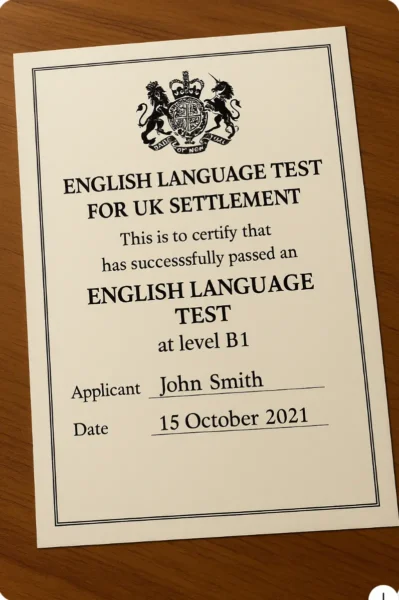
At the same time, the government plans to raise the bar on English language requirements for both ILR and citizenship. The exact changes haven’t been confirmed, but it’s likely that the minimum level (currently CEFR A2 or B1, depending on the route) will be reviewed and possibly increased.
There’s no suggestion that existing certificates will be invalidated, but future applicants may need to demonstrate stronger spoken and written English — even if they’ve lived and worked in the UK for years.
Brexit Context: A Single Immigration System
These changes form part of a wider shift in immigration policy after Brexit. One of the government’s goals has been to treat EU and non-EU nationals under the same rules, and that’s exactly what is happening here.
Previously, many EU nationals could move freely to the UK without worrying about language tests or cultural assessments. That’s no longer the case. The government now expects everyone, regardless of origin, to meet the same thresholds for integration and language.
Does This Mean Applications Will Be Harder?
In short, yes. A test focused on “values” is harder to prepare for than one based on memorising facts. It’s also more subjective. It raises questions — not just about what answers are “correct,” but who gets to decide which values matter most, and how they should be interpreted.
Stricter English standards will also disadvantage applicants who have been living and working in the UK for years but haven’t needed formal qualifications in the language — such as carers, labourers, or spouses of British citizens who have integrated through lived experience rather than textbooks.
It’s also worth noting that “British values” is a politically charged phrase. What counts as a British value can shift depending on who’s in government.
If You’re Planning to Apply
Nothing has changed yet, but the direction of travel is obvious. If you’re thinking of applying for ILR or citizenship, it’s wise to act sooner rather than later — before the test becomes more abstract and the language standard more rigid.
Now is the time to:
- Book your Life in the UK test under the current format
- Prepare any required SELT English language test while the level remains unchanged
- Review your full eligibility and application timing with a qualified immigration adviser

Practical Advice from Immigration Specialists
At Barar & Associates, we work daily with clients applying for settlement and citizenship. We’ve seen how small details — the wrong test provider, an expired certificate, a poorly documented history — can lead to unnecessary delays or refusals.
If you’re unsure about your position, we recommend a case review before submitting anything. It’s especially important if:
- You’re applying after a long period on a partner or work visa
- You’re an EU national unfamiliar with the new post-Brexit system
- You’ve been advised informally and need confirmation of your rights
To discuss your application or ask a question about the upcoming changes, please get in touch with our immigration team at Barar & Associates. We provide personalised, clear, and legally accurate advice — no guesswork, no one-size-fits-all answers.